
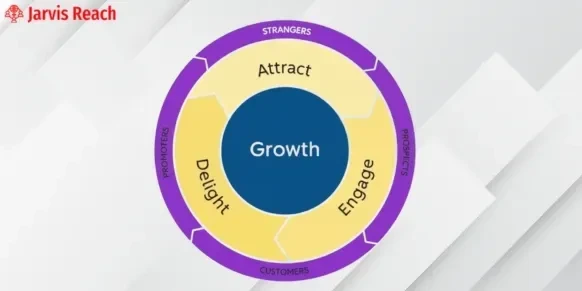
Most of us are familiar with the terms inbound marketing and outbound marketing, but do we know what they mean? How do they work? What are the differences? This guide presents a clear picture of inbound vs outbound marketing, so that regardless of whether you have not engaged yet in marketing your business well.
Inbound marketing vs outbound marketing have two distinct approaches to reaching consumers, inbound attracts customers to your business with information they want to consume, while outbound sends advertisements and offers to consumers who may or may not be searching for them. Examples of outbound marketing methods are commercials broadcast on TVs, billboard advertisements, cold calling prospects, and large-format banner advertisements, whereas inbound marketing methods are written articles, automated email series, offering information to support a customer’s needs, and promoting products and services through organic placements on search engines. Both inbound and outbound marketing will support your ability to create an effective marketing and advertising strategy today.
Inbound vs Outbound Marketing: Key Differences
One main difference between inbound and outbound marketing is how each method approaches an audience. Inbound marketing focuses on attracting and developing an audience naturally, while outbound marketing focuses on reaching out to them first. Here are some highlights comparing the inbound and outbound differences:
| Aspect | Inbound Marketing | Outbound Marketing |
| Approach | Pull strategy built around helpful content and SEO | Push a strategy that interrupts people with ads and outreach |
| Customer Journey | Customer-led, focused on trust over time | Business-led, aiming for quick responses |
| Channels | Blogs, social posts, email, webinars | TV and radio ads, direct mail, and telemarketing |
| Cost Structure | Lower upfront and scalable with ongoing content | Higher recurring costs tied to ad spend |
| Metrics | Views, engagement, long-term ROI | Calls, sales, short-term leads |
| Timeline | Slow and steady growth | Fast visibility, but can fatigue quickly |
In summary, inbound and outbound marketing should work together to create a better marketing strategy than either can provide through solely one approach.
What is Inbound Marketing?
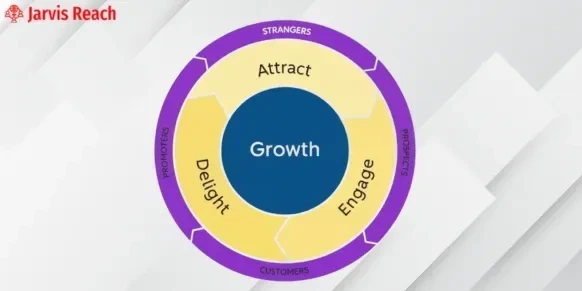
Inbound marketing puts the customer first. Instead of pushing ads, you publish valuable content that helps the right people discover you on their own. Search engines, social media, and educational content all play into this style of marketing. Done well, inbound turns your marketing and advertising into a magnet that brings in qualified leads and supports long-term loyalty.
Benefits of Inbound Marketing
• Cost-friendly once your content is up and running
• Higher engagement since people interact on their own terms
• Scales naturally as your content library grows
• Builds strong brand authority
Challenges of Inbound Marketing
• Takes time before results show consistently
• Requires continuous content and SEO work
• You compete against many others using similar marketing tactics
Even with the hurdles, inbound remains essential for any modern inbound and outbound marketing mix.
What is Outbound Marketing?
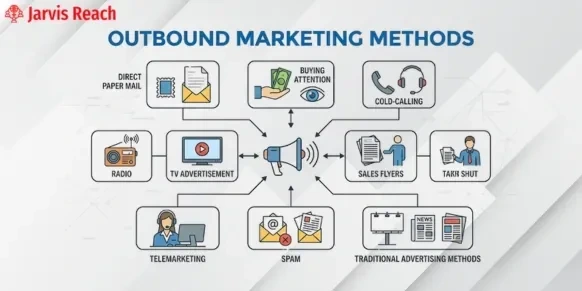
Outbound marketing takes the opposite route. Instead of waiting for people to find you, you reach out to them directly. Think cold emails, print placements, billboards, or trade show booths. These tactics broadcast your message to a wide audience. In the bigger conversation around inbound vs outbound marketing, outbound shines when you need quick awareness and immediate lead generation for your marketing strategy.
Benefits of Outbound Marketing
• Quick visibility and faster sales opportunities
• More control over who sees your message
• Predictable scheduling and frequency
• Strong brand recall when used in high-exposure channels
Challenges of Outbound Marketing
• Can become costly depending on how often you advertise
• People tend to ignore interruptive messages
• Requires compliance with regulations for calls and emails
• Often focuses on short-term goals without nurturing
Outbound works best when paired with inbound, so you get both reach and relationship building.
Inbound vs Outbound Marketing: What Should You Choose?
Choosing between inbound vs outbound marketing depends on what you are trying to achieve. If you are a small brand working with a tight budget, inbound marketing builds steady momentum through content and search visibility. If you are already established and want fast attention, outbound marketing helps you get in front of people quickly.
Most businesses eventually end up blending both. Outbound generates top-level awareness, while inbound nurtures and educates people until they are ready to take action. This balance supports stronger inbound and outbound marketing funnels and keeps your marketing tactics aligned with real business goals.
B2B companies usually lean toward inbound, while B2C often benefits from outbound’s speed. Testing different combinations helps you refine your overall marketing strategy and shape the best way of marketing your business long term.
Conclusion
Mastering inbound vs outbound marketing gives you the flexibility to grow in any market. Inbound helps you build trust and educate, while outbound helps you get attention when you need it most. When you combine both thoughtfully, your marketing and advertising become far more powerful. And if you want a tool that brings everything together, Jarvis Reach can help manage and streamline both inbound and outbound approaches so your efforts turn into measurable growth.
FAQs
1. Is SEO outbound or inbound marketing?
SEO is inbound marketing. It draws people in by making your site show up when they’re already searching, no hard sell like outbound stuff. Fits right into a smart marketing strategy for steady, trust-building traffic.
2. Is Google Ads inbound or outbound marketing?
That’s outbound through and through, paying to crash someone’s search with your ad for instant notice. Pairs well with inbound pulls in a full inbound and outbound marketing setup, but it isn’t cheap.
3. Are email campaigns inbound or outbound?
Depends on the vibe: unsolicited spam emails scream outbound marketing (total push), but those welcome series after someone signs up. Pure inbound. Mix them in your marketing tactics to keep leads hooked without the backlash.
4. Is outbound marketing still effective?
Absolutely, outbound marketing still packs a punch today for grabbing leads quickly, especially with tweaks like AI targeting, though inbound saves greener. Go hybrid in inbound vs outbound marketing to max your marketing strategy without the burnout.

