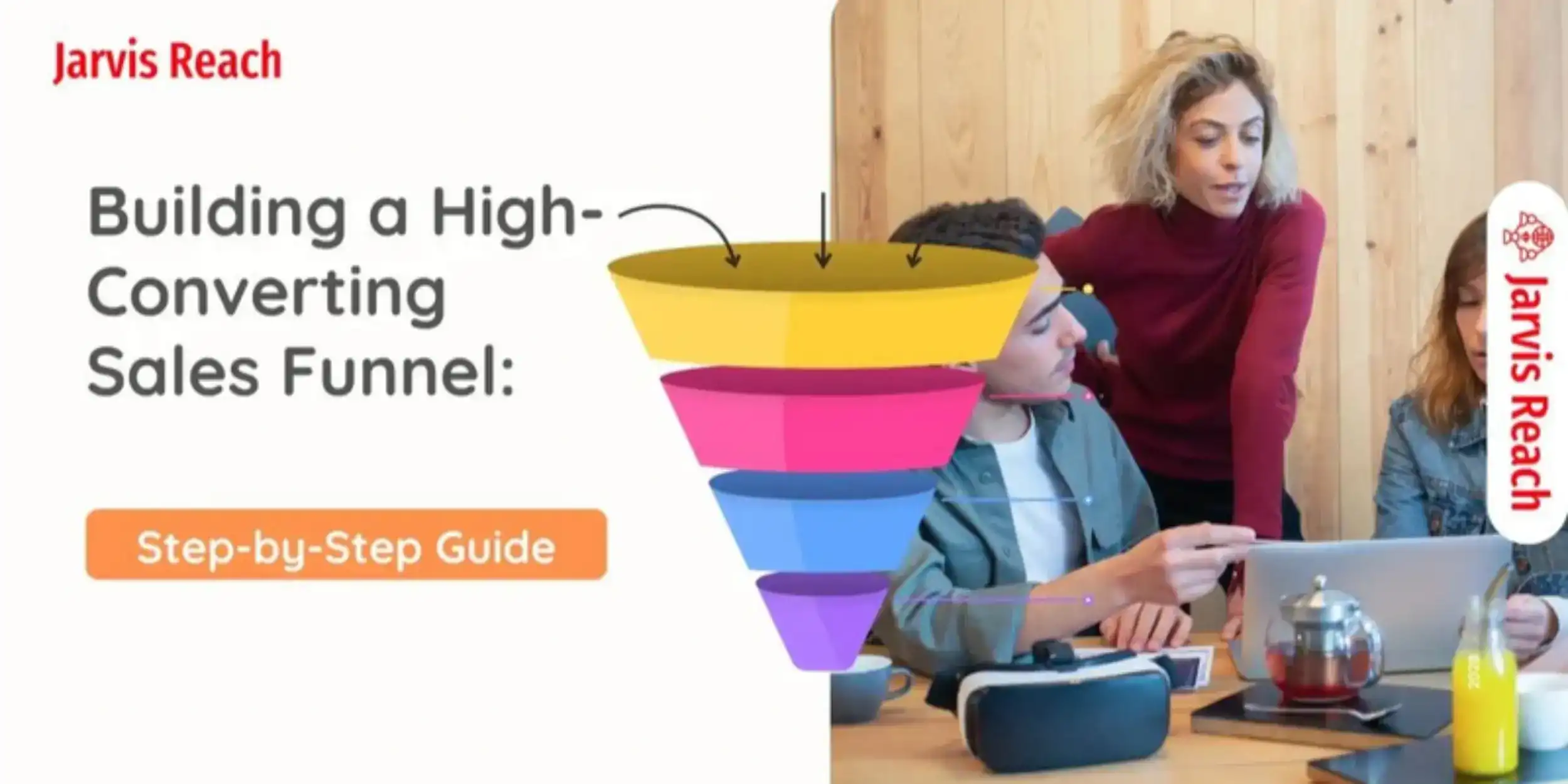
How to Build a High-Converting Sales Funnel?
A sales funnel is basically a journey of your potential customers, from first hearing about your brand to actually buying something, and maybe even sticking around for more. Putting together a sales funnel that really converts is super important if you want to grow and make more conversions. Below are the most researched and practical tips and tricks we bring in for you to create a sales funnel, regardless of how big or small your business is.
What Exactly Is a Sales Funnel?
Think of a sales funnel as the journey someone takes from “who are you?” to “take my money!” It is called a funnel because you start with a ton of people at the top, but only some make it all the way through. Here are the main steps:
- Awareness: People find out you exist.
- Interest: They start paying more attention to what you offer.
- Decision: They are weighing whether to buy or not.
- Action: They finally pull the trigger and buy.
- Retention: They keep coming back or tell their friends about you.
If you manage to handle each part just right, you will get more conversions, and buyers keep sticking with you. According to Salesforce, businesses with solid sales funnels can get up to three times better conversion rates than those without any sales funnel.
Why High-Converting Funnel so Important?
• More leads turn into paying customers, which means more revenue.
• A marketing funnel makes your marketing strategy less scattered and more focused on people who might actually buy.
• Customers get content that makes sense for them, right when they need it.
• Happy customers are more likely to come back or tell others about you.
• With most people (around 68%) checking online before buying, a strong sales funnel helps your brand get noticed and aligned with SEO & marketing efforts.
A Step-by-Step Guide to Making a Funnel That Converts
You cannot build a funnel in sales that works if you do not know who you are selling to. Here is how to get started:
1. Get to Know Your Audience
Make buyer personas. Figure out who your dream customers are, what they are like, what bugs them, and what they want. Tools like Google Analytics or Hotjar can show you what people do on your site. Do some keyword digging. Use tools like Ahrefs or SEMRush to find what your audience searches for, like “how to grow sales” or “best funnel hacks.” Then make content that matches that. You can also use Jarvis Reach to discover verified contact information, enrich your lead profiles, and segment your audience more effectively, right from the start of your sales funnel.
For example, if you are selling software, people might be searching “best CRM for startups.” Write a blog post or something to grab those folks using solid SEO & marketing techniques as part of your marketing strategy.
2. Pull People In with Awesome Content (Awareness Stage)
The top of the marketing funnel is all about getting noticed. Here are some ways to get people’s attention:
Write blog posts that show up in searches, like ones about “sales funnel tips” or “how to boost sales.” Make them helpful and fun to read. Post on social media, like X, Instagram, or LinkedIn. Videos are gold right now, since, like, 73% of people prefer watching them over other things. Give away freebies, like eBooks, checklists, or webinars, to get emails. Something like a “Free Funnel Template” can reel people in.
Quick tip: You can use Google Ads or X Ads to push your free stuff to more eyes, especially if you target searches with people ready to act. A good sales and planning campaign here ties directly into lead generation efforts.
3. Keep Leads Hooked with Stuff They Like (Interest Stage)
Once people are in your funnel in sales, you’ve got to keep them interested with stuff that feels made for them:
Email campaigns. Use tools like Mailchimp or HubSpot to send emails that build on what they have done, like visiting your site or grabbing a download. Retargeting ads. Show ads to people who checked out your site but did not buy. Facebook Ads or Google’s Display Network work great for this. Cool content. Make case studies, tutorials, or demos that show why your product rocks. A video demo can boost engagement by, like, 80% (Hotjar, 2025).
Like, if someone grabs your eBook, hit them with an email sharing a story about how your product fixed a problem like theirs. This is where sales procedures and a strong marketing strategy need to align to make a difference.
4. Seal the Deal with Great Offers (Decision Stage)
This is where people decide if they are in or out. Make it easy for them:
Use bold CTAs like “Jump In Now” or “Grab Your Deal.” Show proof. Throw in reviews, testimonials, or badges that scream trust. According to Backlinko, 92% of people trust reviews more than ads, add some urgency with limited-time deals, offers, and make buying easy. Keep your checkout page clean and simple, especially on phones.
For example, a “Start Your 14-Day Trial Now” button can make people less nervous about committing. A clear sales process backed by smart lead generation builds momentum at this stage of the sales funnel.
5. Close It and Wow Them (Action Stage)
Get the sale and make sure they are stoked about it:
Easy onboarding. Send emails or guides to help new customers get started. Tools like Zendesk can handle support questions. Upsell smart. Suggest add-ons at checkout, like a fancier plan for software. Thank-you pages. After they buy, send them to a page with the next steps or extras.
Quick tip: Use something like Hotjar to see where people bail on your checkout and fix it. This keeps your sales funnel efficient and your sales procedures tight.
6. Keep Them Around for More (Retention Stage)
Do not ghost your customers after they buy. Keep them happy with:
Loyalty perks. Give discounts or rewards for coming back. Personal emails. Share tips or deals based on what they bought. Ask for feedback. Use surveys to learn what they like or do not. Tools like SurveyMonkey or Typeform make this easy.
Like, if you sell fitness, send monthly workout ideas to subscribers to keep them pumped. This is the final part of the sales funnel, where sales and planning ensure people stay loyal.
Some Tools to Get This Done
Sales funnel builders like ClickFunnels, Leadpages, or Unbounce for making pages and funnels. CRM tools like Salesforce Sell to keep track of leads and customers. Analytics stuff like Google Analytics, Hotjar, or Mixpanel to spot where your marketing funnel is weak. Use email tools like ActiveCampaign or ConvertKit for sending automated follow-ups. Combine these with a solid marketing strategy, and your sales process becomes unstoppable.
How to Keep Your Funnel Sharp
To make sure your sales funnel stays killer:
Track numbers. Watch things like conversion rates or how many customers stick around. Aim for 2-5% conversions at each stage (Salesforce, 2025). Test stuff. Try different headlines or buttons to see which clicks better. Fix leaks. Use Hotjar to find where people drop off and patch it up.
Like, if half your checkout page visitors bounce, maybe simplify it or add trust signals like a money-back guarantee. This is the kind of optimization that elevates your funnel in sales and enhances lead generation results.
Wrapping It Up
Building a sales funnel that converts is all about knowing your people, making great content, and fine-tuning every step. Use high-traffic keywords, tools like Salesforce or ClickFunnels, and keep checking what works to make a sales funnel that brings in cash and keeps customers happy. Start simple, test a lot, and stay ready for 2025’s fast-moving market. Ready to fill your funnel with high-quality leads?
Try using Jarvis Reach to streamline lead sourcing and improve conversions right from the top of your funnel.